- 01
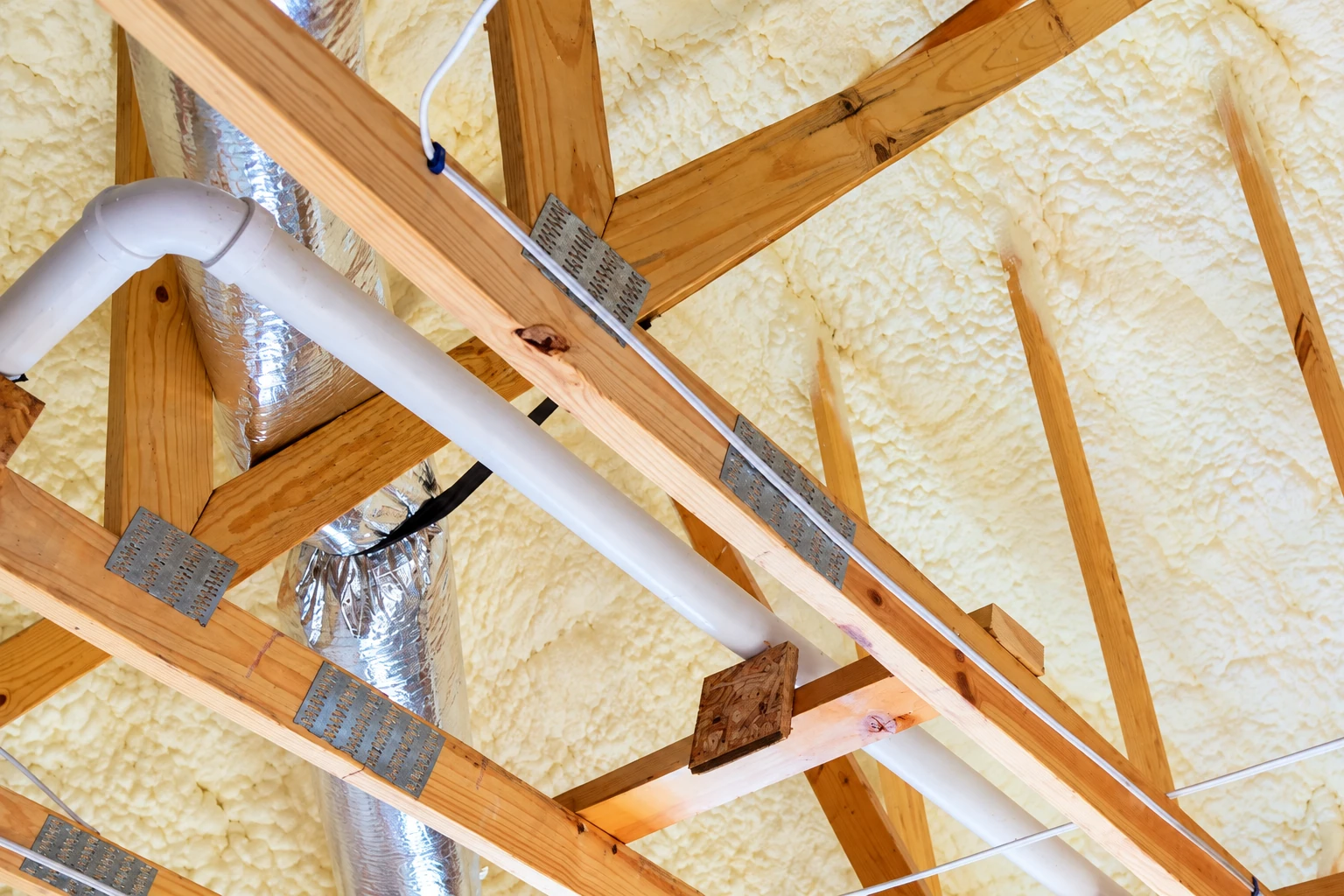
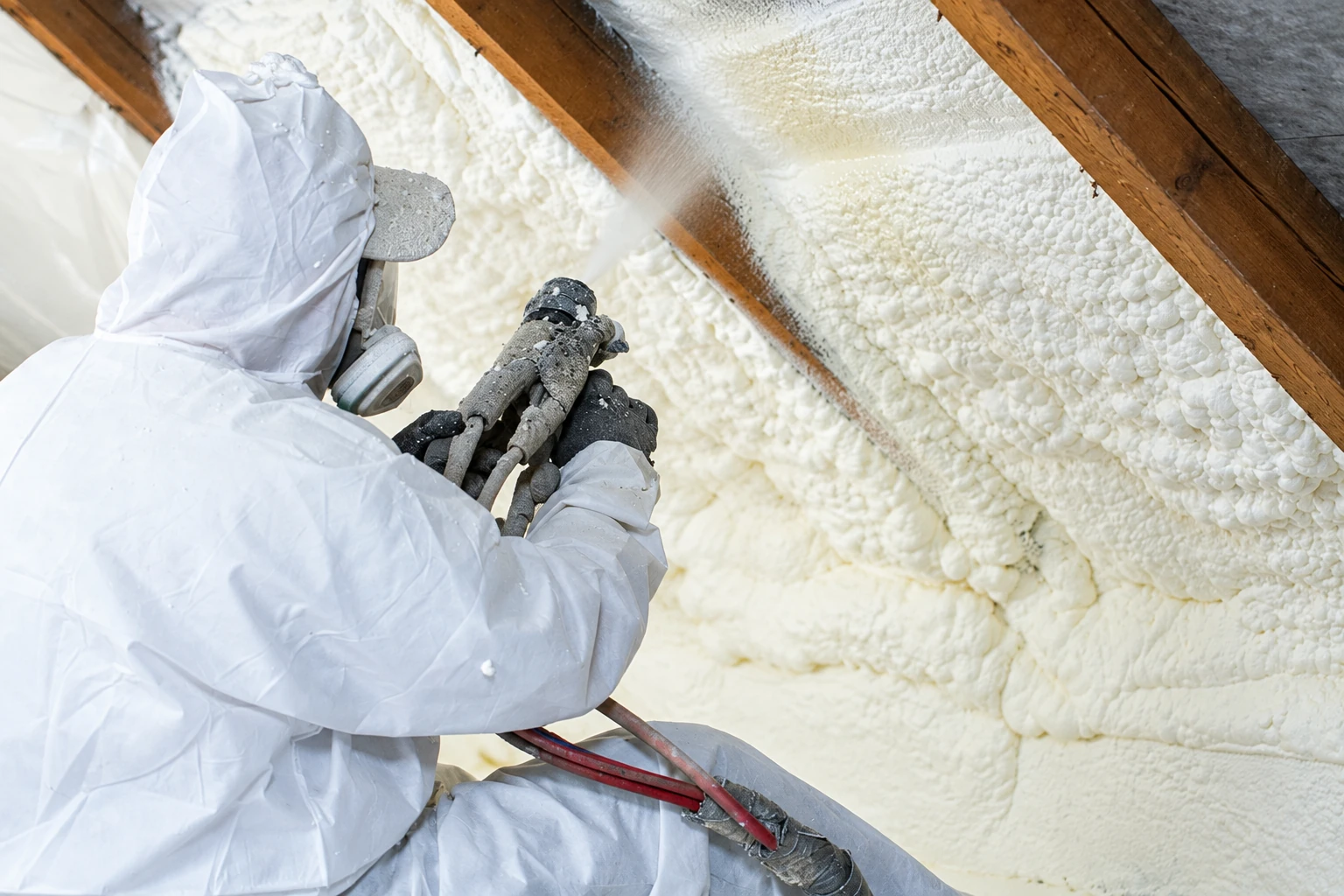
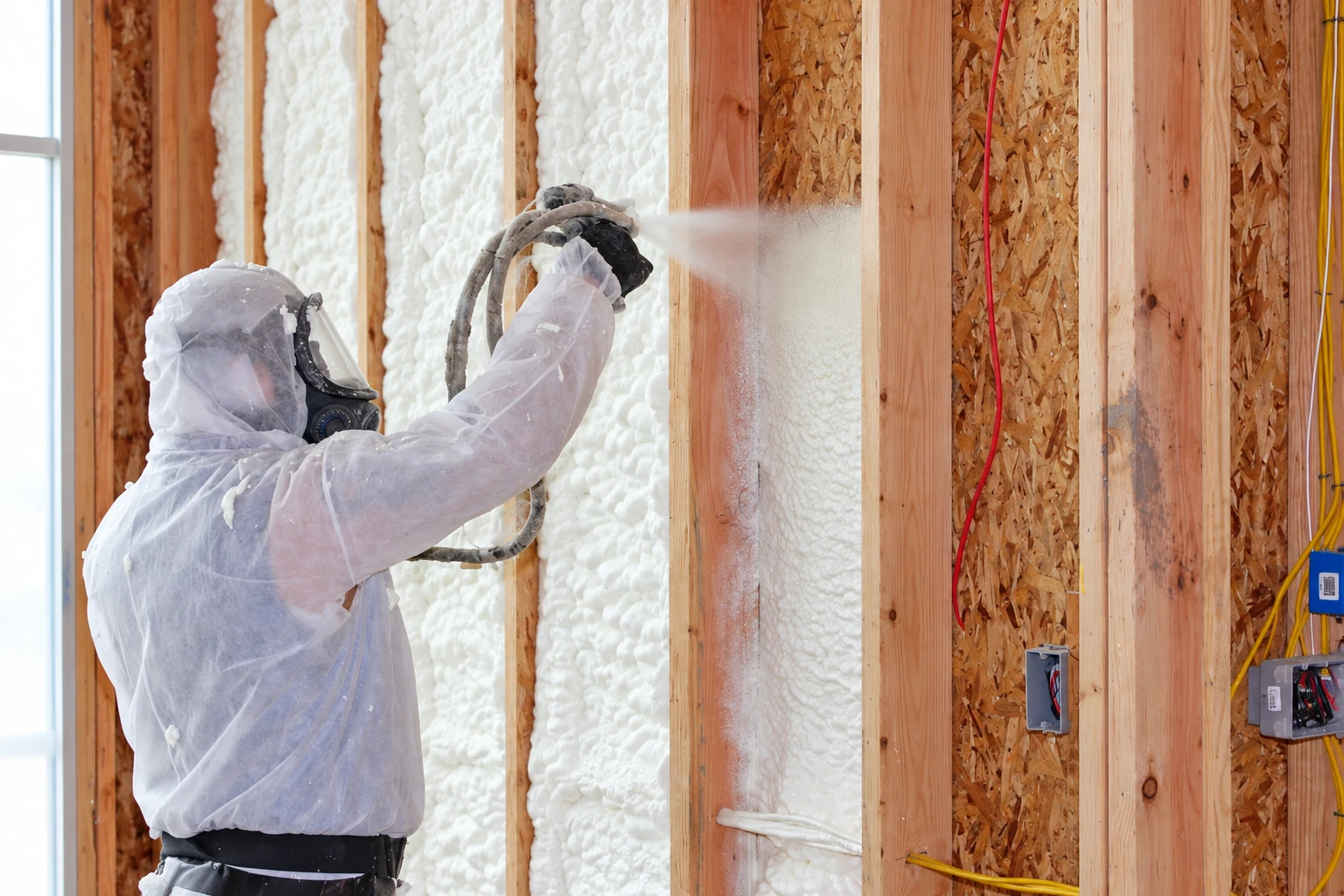
Spray foam seals air while it insulates, so we use it where a house needs both, like a vaulted ceiling or the floor over a garage.
Explore service ↗ - 02
If the house bakes in July, the attic is usually why, so I measure the inches already up there and check they're clean and dry before we plan.
Explore service ↗ - 03
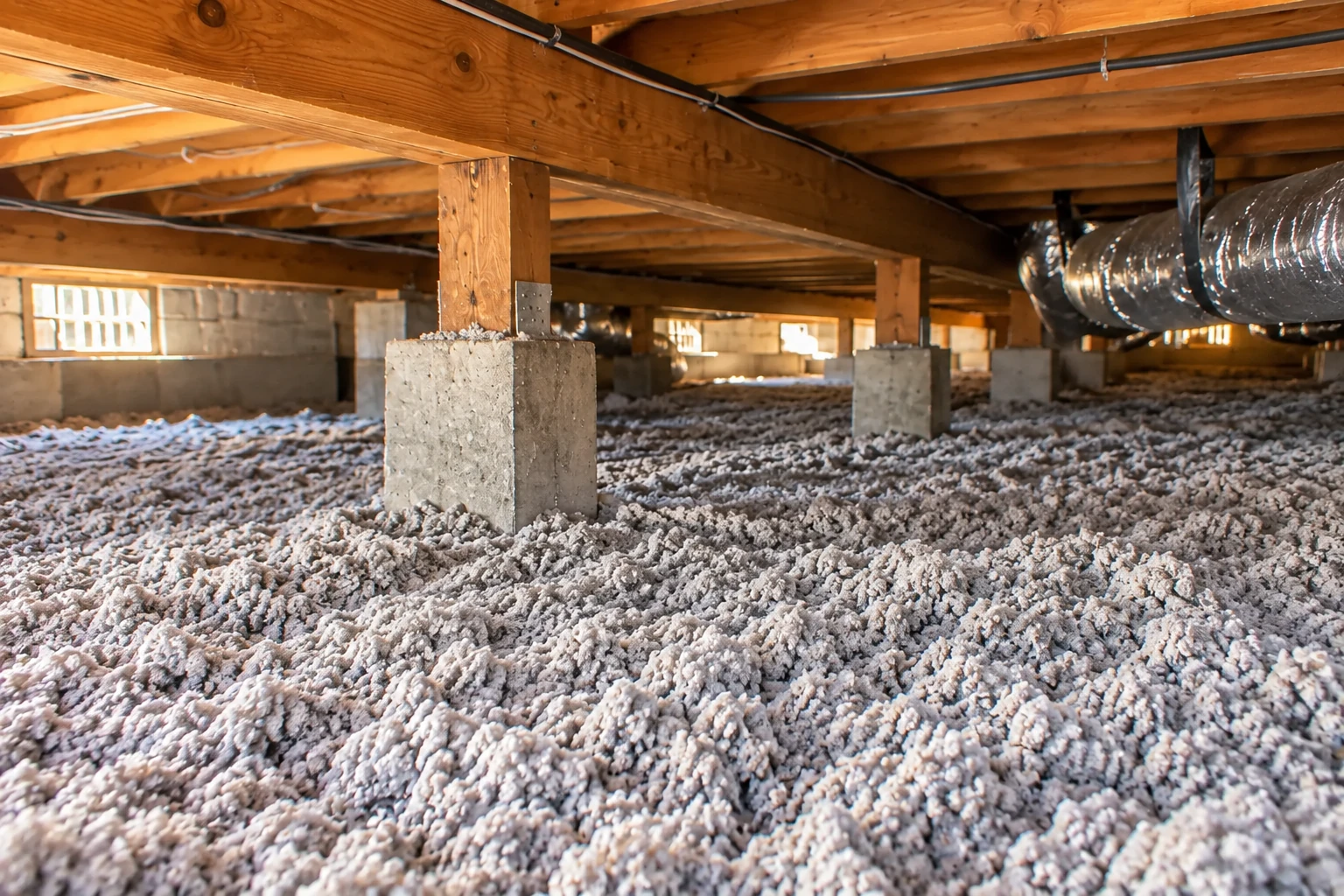
We blow loose fill through a hose over the attic floor, which suits the low, wide attics on ranch houses here and tops up what's already there.
Explore service ↗ - 04
When the whole house feels drafty, we look at the attic, walls and crawl space together and start with whichever is losing the most, instead of guessing.
Explore service ↗ - 05
Mice find attics easily out here, so old insulation full of droppings comes out first, because new material laid on top just keeps the problem.
Explore service ↗ - 06
Cold floors usually mean sagging or missing insulation under the joists, so we refit it snug and check the crawl space vents and ground while we're down there.
Explore service ↗ - 07
Older exterior walls are sometimes close to empty, so we fill them through small holes from outside or in, then patch, without tearing out the drywall.
Explore service ↗ - 08
Air sealing means closing the gaps around pipes, wires and can lights before we insulate, so the new material isn't fighting a draft all winter.
Explore service ↗ - 09
Where a house here has a basement, we insulate the walls and the rim joist, the framing that sits on the foundation, because that's where cold sneaks in.
Explore service ↗ - 10
Closed-cell foam is dense enough to block moisture, so we pick it for crawl space walls, rim joists and other spots where damp and cold meet.
Explore service ↗ - 11
If you want a quieter, draft-free room and moisture isn't the worry, open-cell foam is softer and lighter, and it fills rooflines and walls well.
Explore service ↗ - 12
For a business space or a detached shop, we work around your hours and choose between foam and loose fill by how the building is heated and used.
Explore service ↗ - 13
A plastic sheet laid over the crawl space dirt keeps ground moisture out of the floor framing, and we overlap and seal the seams so it stays put.
Explore service ↗ - 14
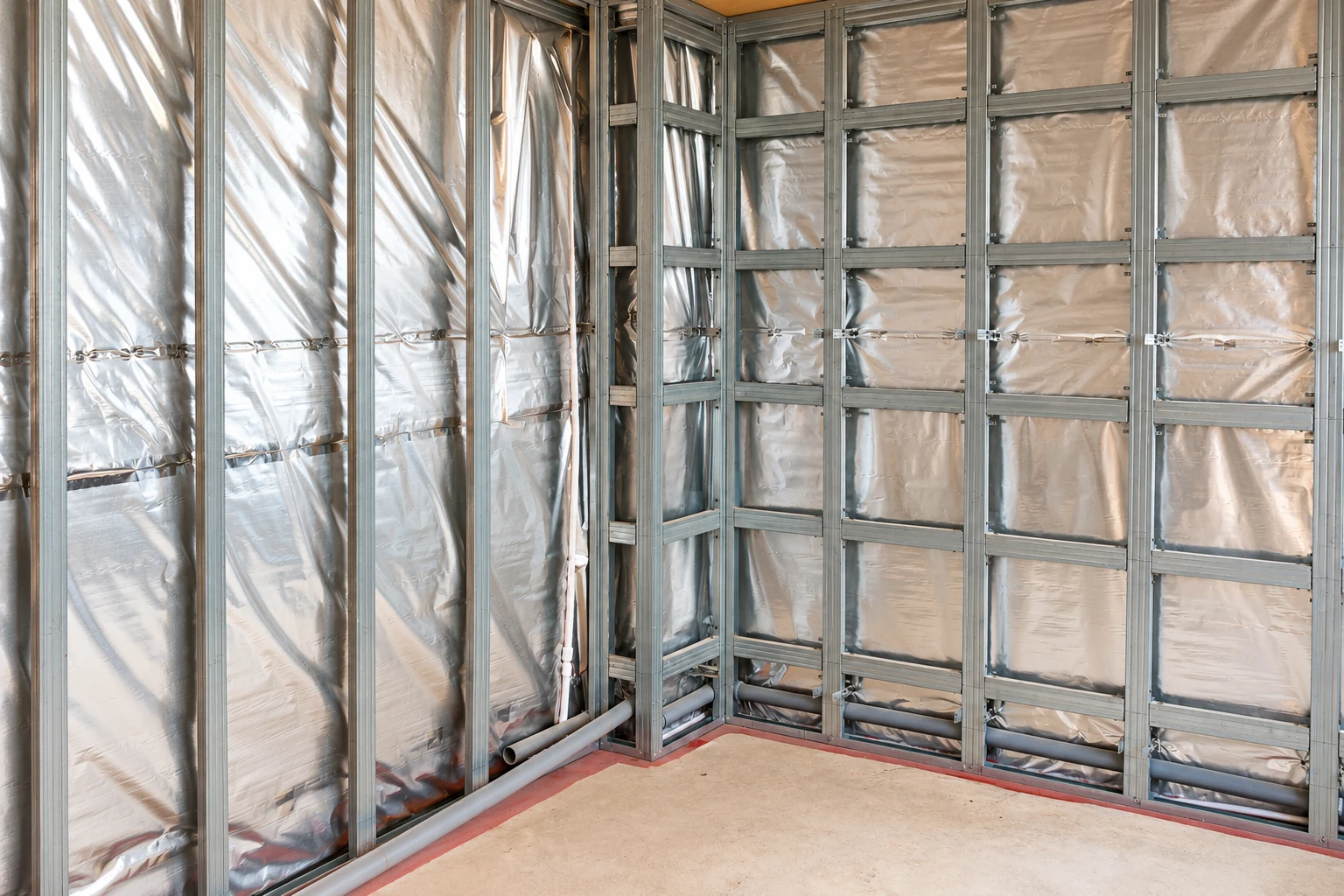
Where walls or ceilings need protection from moisture moving through, we put the barrier on the right side for cold winters, because the wrong side traps water.
Explore service ↗ - 15
Before any fill goes up, we seal the hatch, plumbing stacks and wiring holes from above, since warm air leaking through them can leave moisture in the framing.
Explore service ↗ - 16
Want an older house warmer without gutting it? We work with the walls and ceilings you've got, adding insulation from the attic, crawl space and small openings.
Explore service ↗