
Mon–Fri: 7 AM–9 PM, Sat–Sun: 6 AM–9 PM(775) 227-5588
J&K Carson City Spray Foam InsulationJ&K Carson City Spray Foam Insulation

Basement insulation in Carson City NV - walls that hold heat without trapping damp

Cold floors, a chilly basement room or walls that feel damp? We match the insulation to how wet your walls get, so the heat stays in.

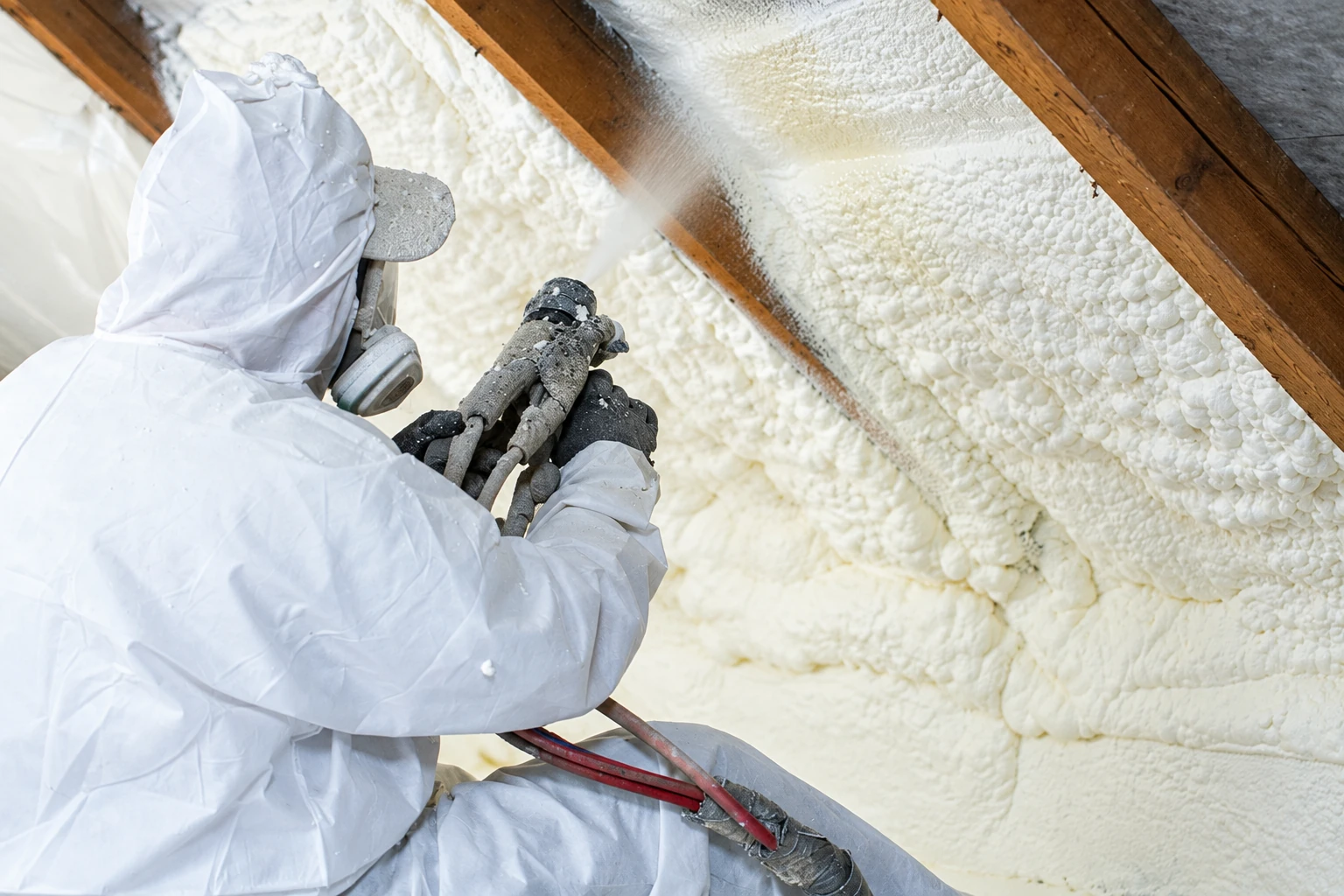
Worker in protective clothing sprays white foam insulation onto an attic roof between wooden rafters.

What does insulating a basement in Carson City involve?

Basement insulation in Carson City means lining your foundation walls with a material that slows heat loss without soaking up the moisture that works through concrete, so the basement stops feeling like a cellar and the floors above it warm up.

Most folks call us because the floor upstairs is cold all winter, the basement room never feels comfortable, or there's a musty smell and old fiberglass sagging off the wall. Those are usually signs of two problems at once. Heat is leaking out through bare or poorly covered concrete, and moisture is getting into whatever's on the wall.

The price mostly comes down to how much wall there is, how damp it gets, which material that points us to, whether old insulation has to come out first, and the covering layer foam needs. The schedule turns on the same things, plus whether a wet spot needs sorting out before anything goes on the wall. Once I've seen your basement, you get an estimate for your walls, and I go over what I found before you decide anything.

What happens when you call about your basement?

Here's how it goes from the first call to the last walk-through, and who you'll be dealing with along the way.

You call or send a request, and we book a visit

Call (775) 227-5588 or fill out the form, and we'll set a time for me to come out and see the basement. I spent years behind a desk before this, so believe me, I'd much rather be down there with a flashlight than guessing over email.

I look at your walls with you before I quote

I do every estimate visit myself, and we've been in business since 2017, so I'll show you the damp spots, the old insulation and the spots where the walls meet the floor framing. Then I put the estimate together and walk you through why I picked the material I did.

A lead installer runs the job, and I walk you through it after

If you go ahead, our installers prep the space, do the work and clean up after themselves, with a lead installer running your job. We're fully licensed and insured. When the crew's done, I walk you through the finished walls so you know exactly what went on them.

How we handle basement insulation

I pick the material by how damp your walls get, because a basement that stays dry and one that sweats every spring need different things. Once that's settled, we pull off any old insulation that's wet or dirty, seal the rim joist, which is the band of framing that sits on top of the foundation, and then put the insulation on the walls. If we go with foam, the covering layer that goes over it is planned into the job from day one, so it's on the estimate and on the schedule instead of turning into a surprise once the foam is up.

Most basement walls end up with one of the two foams we spray, either closed-cell foam insulation or open-cell foam insulation, and each of those pages goes into more detail on how that foam works.

  • A check of how damp each wall gets before we choose a material
  • Old insulation that's wet or dirty removed before anything new goes up
  • Rim joists sealed and insulated along with the walls
  • Foam chosen for your walls, not for whatever's on the truck
  • The covering layer over foam planned in from the first visit

Doing it in the right order

Most of what goes wrong in a basement comes from doing a step too early, so this is the order we stick to.

  1. Read the walls

    We look at where the concrete runs damp and whether anything has been living behind the old insulation, because a new layer over a wet or dirty wall just hides the problem.

  2. Clear the wall

    Soaked or dirty material comes off, and we cover what's left in the basement so the rest of the space stays clean while we work.

  3. Seal, then insulate

    We close the gaps at the rim joist and around pipes first, since insulation can't do much with a draft running behind it. Then the foam goes on evenly, full depth at the corners and edges, not just thick in the middle.

  4. Cover the foam

    Where the foam needs a covering layer, it goes on before we call the job finished. A basement with bare foam where it should be covered isn't done, in my book.

Get a basement insulation estimate built around your walls

Send the form or call (775) 227-5588, and tell us how you use the basement, where you've seen damp spots and what insulation is down there now. We respond within 1 business day, and most of the time it's me calling you back to set up a free on-site estimate. There's no obligation, and I go over what I found with you before you decide anything.

(775) 227-5588

Basement insulation questions we hear in Carson City

How much heat does an uninsulated basement lose?

A basement can account for 10% to 30% of a home's total heat loss. That's a big share for one space, and it's often why the rooms above it feel cold through the winter.

Which insulation handles basement moisture best?

Closed-cell spray foam, a dense foam that blocks moisture, gives the best moisture control of any insulation used on the inside of a foundation wall. Open-cell foam also stops air well, but it has to go on thicker to give the same protection against vapor. Closed-cell usually costs more, and in a basement that runs damp, I think it's worth it.

Is fiberglass a good choice against basement walls?

Usually not, because fiberglass or cellulose against a basement wall can soak up a lot of moisture and stay damp, and a plastic sheet over it on the inside traps that water in the wall. If someone quotes you fiberglass down there, ask how they'll keep it from drawing moisture out of the concrete.

Does spray foam in a basement need to be covered?

In most basement walls, yes, foam needs a fire or ignition barrier over it, which is a covering layer that protects the foam from flame. That's a safety step, not an extra, so plan on it as part of the job from the start. It'll be on your estimate.

Permits and codes for basement work in Carson City

Carson City's Building Division handles construction permits and enforces the city's building rules and the energy code it has adopted. Its permit list names new homes, changes to an existing home and commercial construction, and it doesn't name basement insulation, so I won't tell you your job does or doesn't need one before we check. The rules differ between Carson City, the counties and the cities around us, so we check with the office that covers your address.

In Carson City, only the property owner, an authorized agent or a licensed contractor can sign and submit a building permit application. If your job needs a permit, we take care of the paperwork with the city. We're based in Carson City and work across the cities around it, from Reno and Sparks down to Gardnerville and up to Incline Village, plus plenty of places in between.

Get your basement walls looked at

A look at the concrete tells us more than any guess over the phone, so call (775) 227-5588 or send the form and we'll set up a time to come see it.

If you're not sure your basement needs insulation at all, give us a call and I'll tell you straight.

Tell us about your project
(775) 227-5588Get an estimate